Lindt Home of Chocolate visitor guide
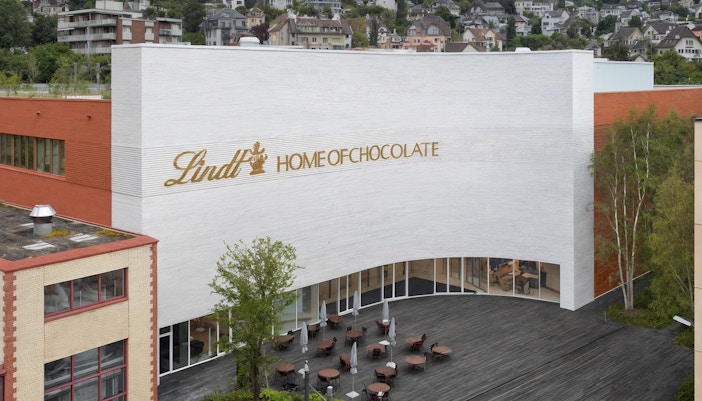
The Lindt Home of Chocolate is an interactive chocolate museum in Kilchberg, best known for its 9-meter chocolate fountain, tasting stations, and multimedia journey from cacao to Swiss chocolate-making. The visit is easy to follow, but it gets noticeably busier once late-morning timed entries overlap, especially around the fountain, samples, and shop. The biggest difference between a smooth visit and a crowded one is your entry slot. This guide covers timing, tickets, arrival, and what’s worth slowing down for.
Quick overview: Lindt Home of Chocolate at a glance
If you want the visit to feel relaxed rather than crowded, make your choices here first.
- When to visit: Daily, with the first timed entry starting at 9:30am. The first 60–90 minutes are noticeably calmer than late morning and early afternoon, because the tasting stations, fountain area, and shop all get busier once multiple timed slots overlap.
- Getting in: From CHF 34 for standard entry. Book ahead year-round, and book at least 1–2 weeks ahead for weekends and the April–October peak stretch.
- How long to allow: 1–2 hours for most visitors. Add another 60–120 minutes if you’ve booked a Chocolateria workshop or want time in the café and shop.
- What most people miss: The cocoa-growing and Swiss pioneers sections are richer than they look, and many visitors rush past them after photographing the fountain and heading straight for the samples.
- Is a guide worth it? Yes if you want more context on Swiss chocolate-making and Lindt’s production story, but the included audio guide is enough if you mainly want flexibility, tastings, and a self-paced visit.
🎟️ Tickets for Lindt Home of Chocolate sell out 1–2 weeks in advance during spring weekends and summer. Lock in your visit before the time you want is gone.
Jump to what you need
Where and when to go
Which Lindt Home of Chocolate ticket is best for you
| Ticket type | What's included | Best for | Price range |
|---|---|---|---|
Standard entry | Timed museum entry + audio guide + tasting stations + access to all permanent exhibits | A flexible, self-paced visit where you can explore the museum at your own rhythm | From CHF 34 |
Zurich city and Lindt combo | Lindt entry + Zurich sightseeing component such as a boat, tram, or city tour depending on package | A short Zurich stay where you want one booking to cover both city sightseeing and the museum | From CHF 53 |
How do you get around Lindt Home of Chocolate?
Where are the masterpieces inside Lindt Home of Chocolate?
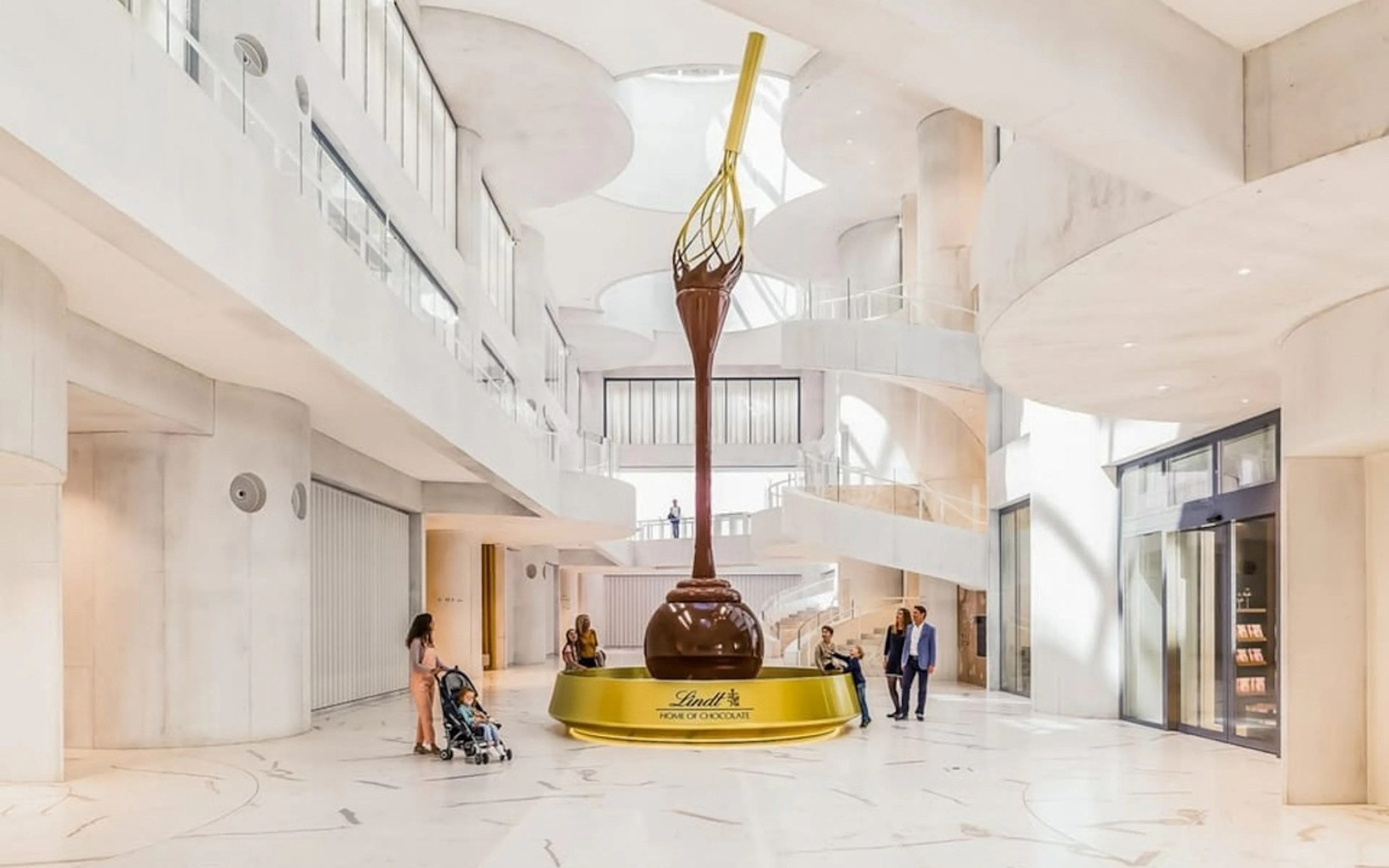
Chocolate fountain
Feature: 9-meter freestanding chocolate fountain
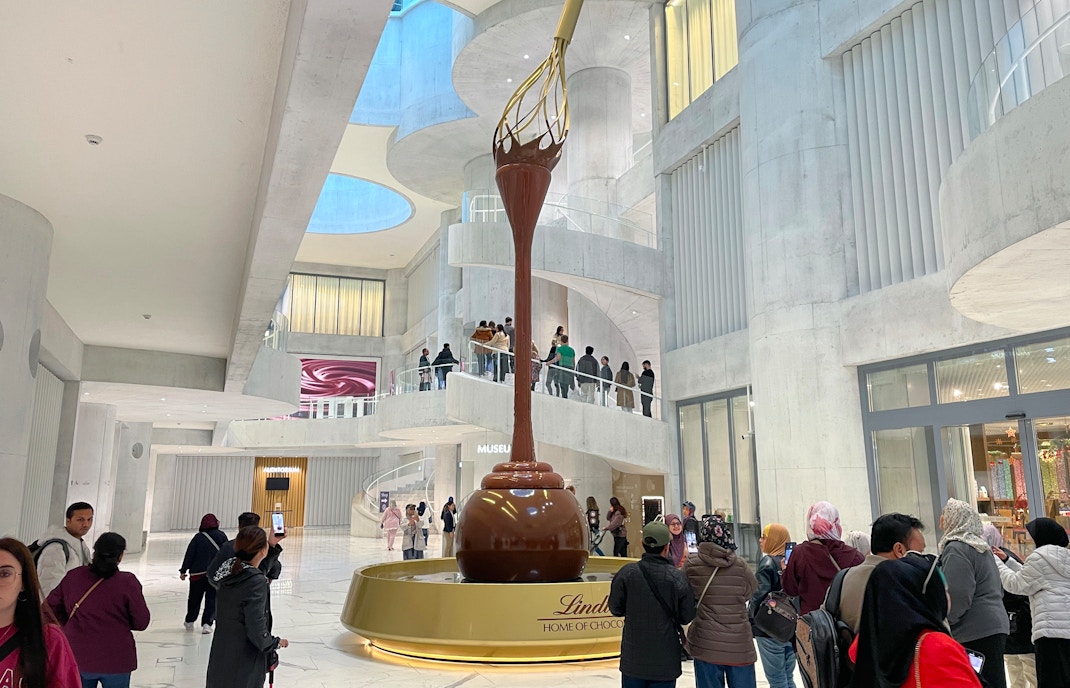
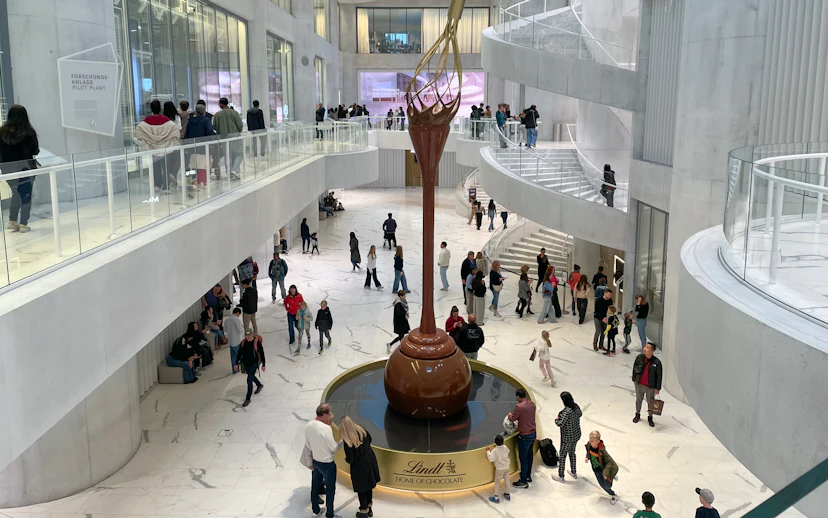
The museum’s signature centerpiece, this towering fountain circulates around 1,500kg of liquid Lindt chocolate through the entrance hall. Arrive early for a calmer view and better photos before the space gets busy.
Where to find it: Directly in the grand entrance hall, before you begin the main exhibition route.
Cacao origins world
Feature: Cocoa cultivation and global chocolate history
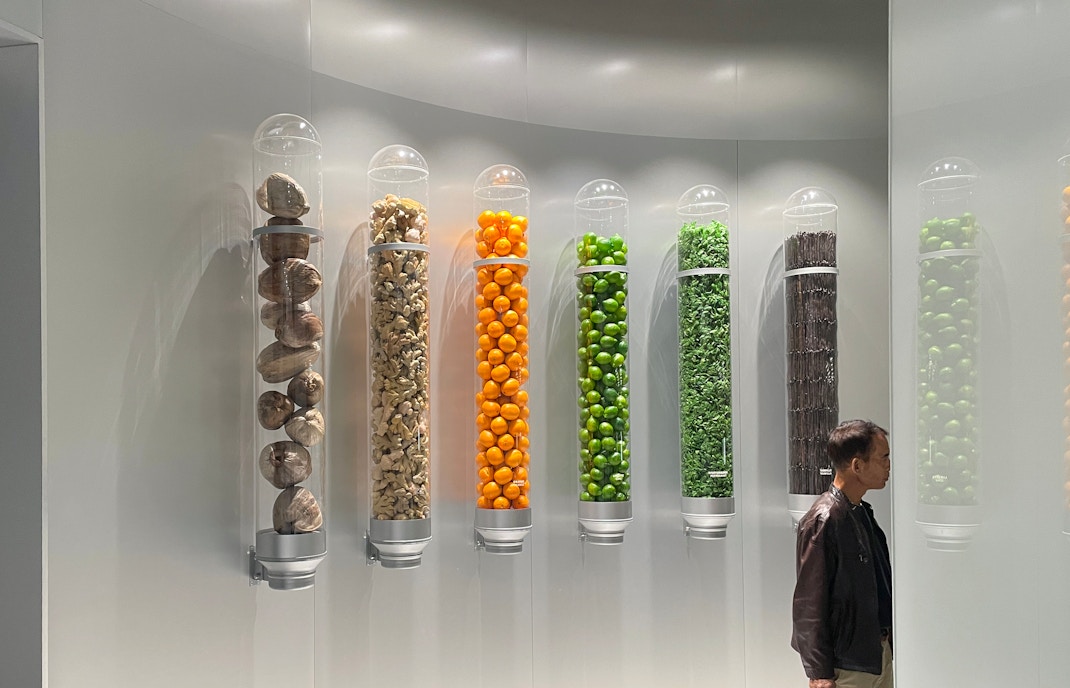
This section explores chocolate’s origins, from cacao cultivation to the global supply chain, adding context that makes the rest of the museum feel more meaningful beyond the photo stops.
Where to find it: Early in the exhibition route, after the entrance hall and before the Swiss innovation sections.
Swiss chocolate pioneers section
Feature: Swiss chocolate history and Lindt’s place in it
This gallery explores the Swiss innovations that shaped modern chocolate, connecting Lindt’s story with the wider industry through displays on technique, machinery, and brand-building.
Where to find it: Midway through the multimedia exhibition, after the cacao history section.
Tasting stations
Feature: Free Lindt samples throughout the route
The tasting stations break up the museum route with interactive chocolate samples and are often busiest later in the day. Earlier time slots usually mean shorter waits and a more relaxed experience.
Where to find it: Spread through the exhibition route, with several stops before the final retail area.
Chocolateria
Feature: Hands-on workshop led by Lindt master chocolatiers
The Chocolateria workshops turn the visit into a hands-on experience, letting you make your own chocolates and learn practical techniques. Workshop spots are limited and often book out earlier than standard admission tickets.
Where to find it: In the museum complex’s dedicated Chocolateria workshop area.
Facilities and accessibility
- 🎒 Lockers: Free lockers are available on-site, and anything larger than A4 needs to be stored before you enter the exhibition.
- 🚻 Restrooms: Restrooms are available inside the venue, so you don’t need to leave the building mid-visit to use them.
- 🍽️ Café: The Lindt Café is the easiest place to pause for hot chocolate, desserts, and a proper seated break after the exhibition.
- 🛍️ Gift shop / merchandise: The 500m² Lindt Chocolate Shop is on-site and can be visited even without a museum admission ticket.
- 🪑 Seating / rest areas: The café is the best place for a longer rest, because the exhibition itself is designed more for flow than lingering.
- 📶 Wi-Fi: Free Wi-Fi is available throughout the venue.
- 🔌 USB charging: USB charging points are available, which is useful if you’re using your phone heavily for photos or the audio guide.
- ♿ Mobility: The venue is fully wheelchair accessible and has elevators, so the main route can be done without stairs.
- 👁️ Visual impairments: The experience relies heavily on screens, objects, scent, and narration, so the included audio guide is the most useful support if you want fuller context as you move through the exhibits.
- 🧠 Cognitive and sensory needs: The first timed entry is the easiest low-stimulation window, because the entrance hall and tasting stations get noticeably louder and more crowded later in the day.
- 👨👩👧 Families and strollers: Strollers are welcome, and the elevator-connected layout makes the route straightforward for families with younger children.
This is a very family-friendly museum, and younger visitors usually get the most out of the fountain, free tastings, and interactive displays rather than the full historical detail.
- 🕐 Time: 60–90 minutes is a realistic sweet spot with younger children if you focus on the fountain, exhibits with the most interaction, and tasting stations.
- 🏠 Facilities: Strollers are welcome, lockers help if you’re carrying extra family gear, and the café gives you the easiest reset point if attention spans fade.
- 💡 Engagement: Don’t spend all your time at the fountain first — saving a tasting station or two for later keeps kids moving through the route.
- 🎒 Logistics: Pack light because bags larger than A4 must go into lockers, and book the earliest slot if your children do better with space and shorter waits.
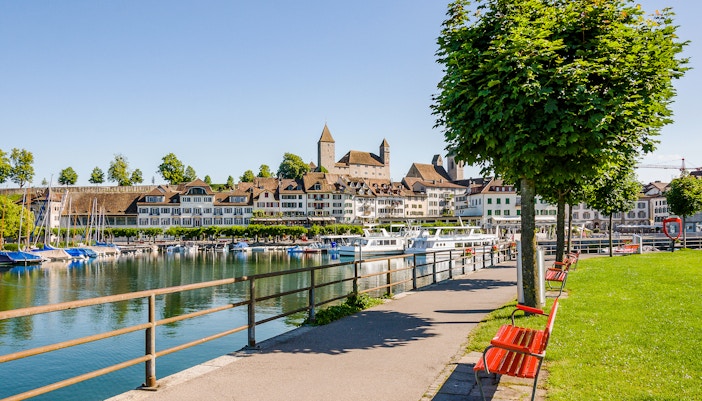
- 📍 After your visit: A short walk around Kilchberg and the lakeside area works well after the sugar-heavy indoor visit.
Rules and restrictions
Practical tips
- Booking and arrival: Book at least 1–2 weeks ahead for weekends and April–October, because this is one of those attractions where the exact slot matters more than just getting any ticket.
- Pacing: Don’t burn half your visit in the entrance hall — the fountain is worth 10–15 minutes, but the real substance of the museum is deeper in the route.
- Crowd management: The first 9:30am slot works best here because the bottlenecks happen at the tastings and shop, not just at the entrance.
- What to bring or leave behind: Bring only a small bag if you can, because anything larger than A4 has to go into a locker before you start.
- Food and drink: If you want the café, save it for after the museum rather than before, because the timed-entry structure makes pre-visit breaks riskier if transit runs late.
- Shopping: Leave the big chocolate haul until the end, since carrying bags through a compact indoor route makes the visit feel more crowded than it is.
- Workshops: Book Chocolateria sessions separately and early, because workshop spaces fill faster than many visitors expect and can turn a short museum stop into a half-day plan.
What else is worth visiting nearby?
Eat, shop and stay near Lindt Home of Chocolate
- On-site: Lindt Café serves hot chocolate, desserts, and light snacks, and it’s worth using as a post-visit break rather than just a convenience fallback.
- Pro tip: Eat after the museum, not before — timed entry here is stricter than many visitors expect, and missing your slot creates more stress than the café solves.
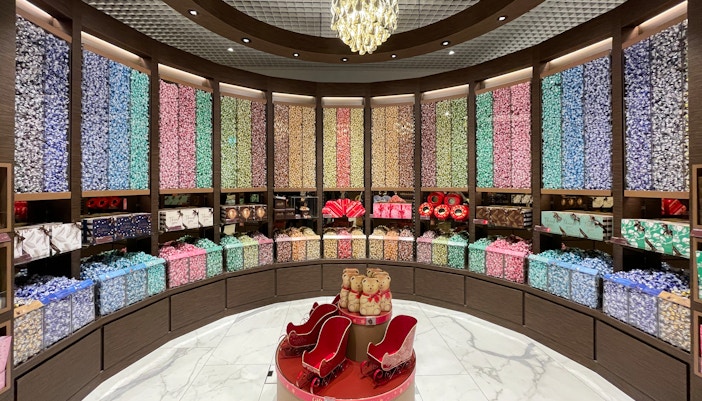
- Lindt Chocolate Shop: This is the biggest Lindt shop in the world, and it’s the obvious place to buy the full range, exclusives, and easy gifts without needing museum admission.
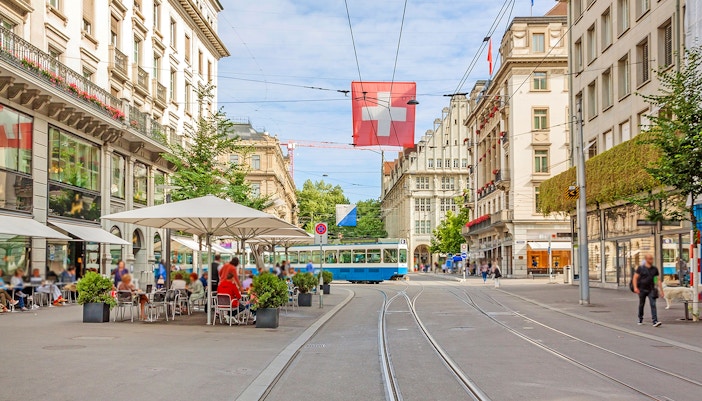
Kilchberg works better as a short stop than as a full sightseeing base. It’s quieter and more residential than central Zurich, which is nice if you want a calm lakeside setting, but most visitors will find central Zurich more practical for transport, dining, and evening plans.
- Price point: The area skews toward quieter, higher-value residential stays rather than budget-heavy tourist accommodation.
- Best for: Travelers who want a low-key lakeside night or who care more about a calm base than being near Zurich’s main sights.
- Consider instead: Central Zurich is the better fit for most visitors, especially if you want restaurants, transit flexibility, and other attractions within walking distance.
Frequently asked questions about visiting Lindt Home of Chocolate
Most visits take 1–2 hours. If you add a long café stop, spend time in the shop, or book a Chocolateria workshop, it can stretch closer to 3 hours.
Yes, you should book in advance for almost any visit, and especially for weekends and April–October. Timed slots are enforced, and later booking often means settling for whatever time is left rather than the slot you actually want.
Yes, it can be worth it if you’re visiting on a busy weekend or during the spring–summer peak. The museum is compact, so saving 15–30 minutes at the entrance matters more when your whole visit might only last 90 minutes.
Arrive about 10–15 minutes early. That gives you enough time for lockers and entry checks without standing around too long, since staff generally won’t admit visitors before the booked slot.
Yes, but only a small one. Anything larger than A4 needs to go into the free lockers before you enter the exhibition.
Yes, photography is allowed, and the fountain is the most popular place to use it. If you want cleaner shots, book an early slot, because later timed entries make the entrance hall much more crowded.
Yes, and guided group formats are one of the easier ways to visit if you want more structure. Public and private guided tours are both available, and workshops are especially good for school, family, or team outings.
Yes, it’s one of the more family-friendly museum visits in Zurich. Kids usually respond best to the giant fountain, free tastings, and interactive displays, while parents appreciate that the route is compact and stroller-friendly.
Yes, the venue is fully wheelchair accessible. Elevators connect the building, and the main exhibition route is designed so you can complete it without using stairs.
Yes, the on-site Lindt Café is the easiest option. It works best as an after-visit stop, since the museum runs on timed entry and you don’t want a meal break to make you late for your slot.
Yes, you can visit the Lindt Chocolate Shop without museum admission. That’s useful if someone in your group only wants souvenirs or if you want to separate shopping from the timed museum visit.
Yes, absolutely. Workshop places are limited, they add the most hands-on part of the experience, and they often fill earlier than standard museum admission.