Sculpture, Painting, Drawing – 20th Century
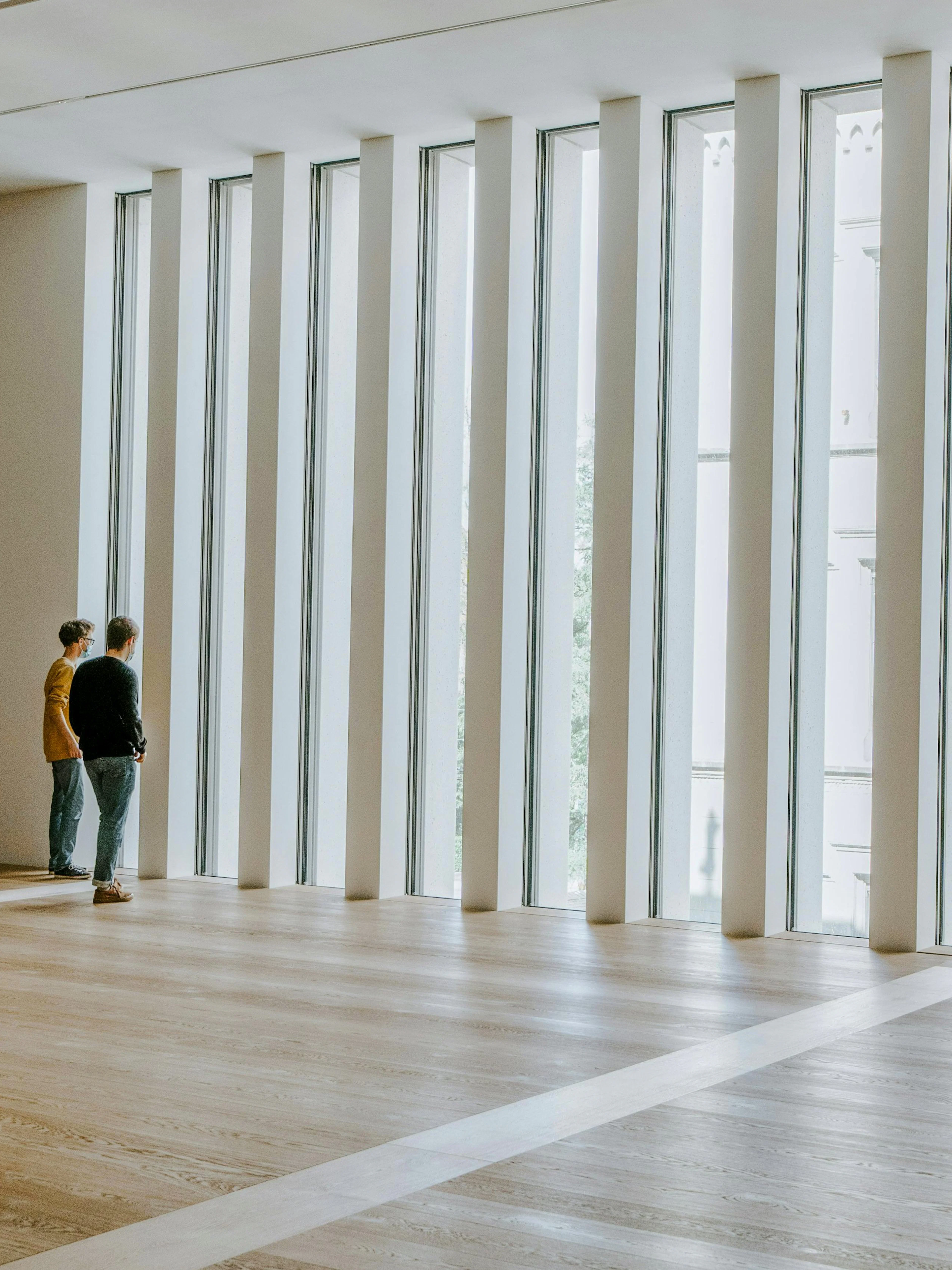
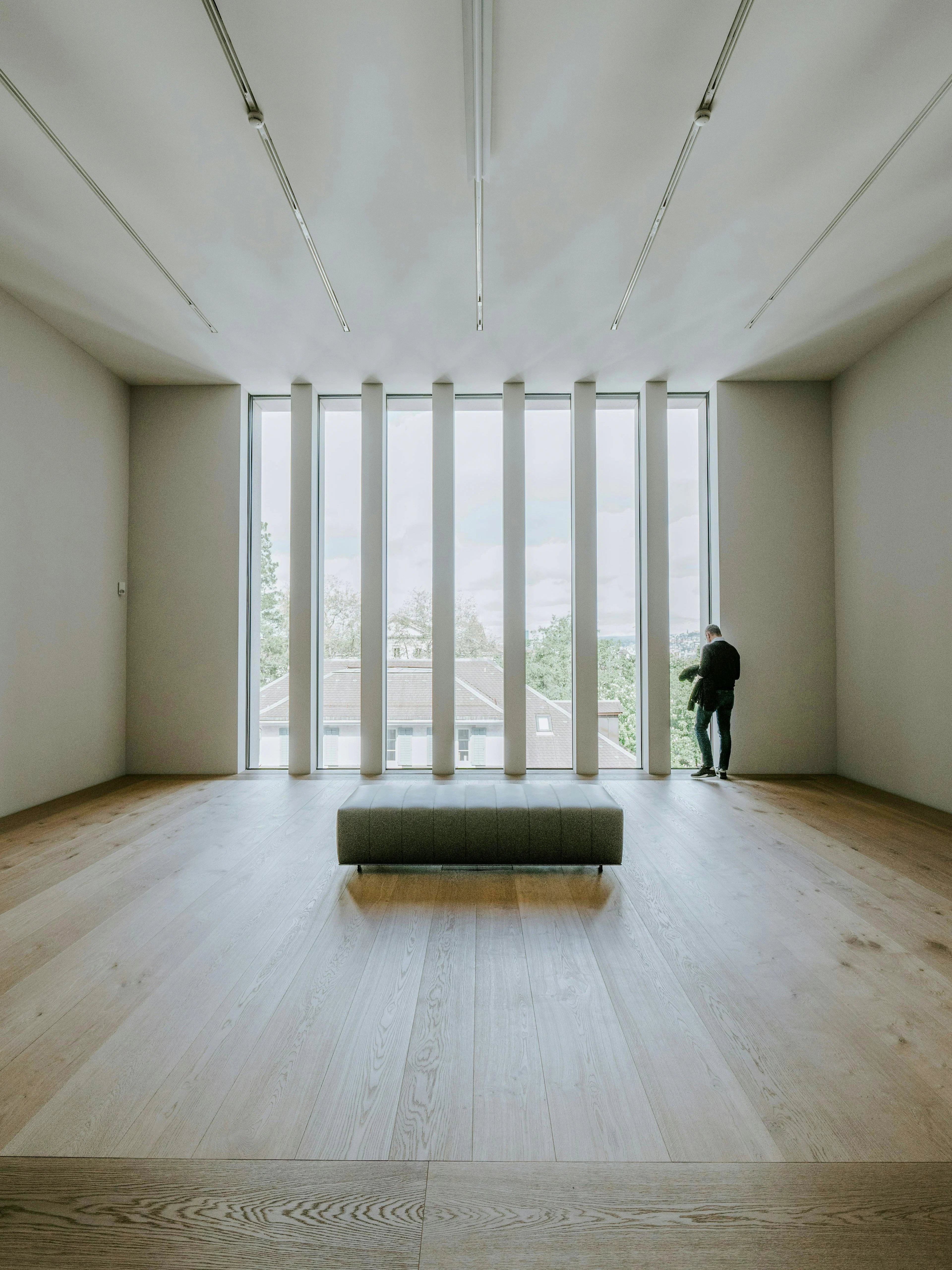
On the Chipperfield building’s second floor, the Alberto Giacometti Collection brings together sculpture, paintings, drawings, and graphics. Plan this as a focused stop or route anchor before continuing toward Impressionist rooms and later contemporary sections.
How Headout makes choosing experiences effortless
We curate the best ways to experience
We research and organise all unique experiences - from tickets to tours to special combos - so you get all the choices without the clutter.
We partner with the best
Every supplier is vetted for quality, reliability, and value so you only get top rated experiences. No surprises, no disappointments.
All the best options, in one place
Each experience is thoughtfully organised to give you maximum availability, great value and an easy way to choose.
Book with complete peace of mind
Free cancellations, Flexible payments, and 24/7 support - thoughtfully designed for flexibility, assurance, and total peace of mind.
Slide 1 of 41/4
Slide 1 of 4
Quick overview
Ticket options: Kunsthaus Zürich tickets are self-guided; choose collection and small exhibitions, or either paid special exhibition; audio guide is included.
Additional access: Special-exhibition tickets add either Vilhelm Hammershøi or Maria Lassnig and Edvard Munch; both still include the full collection.
Unique experiences: Distinct options here are the temporary exhibitions and immersive works like Glacier Dreams and Pixelwald Turicum; access depends on ticket type.
Queues & access: No skip-the-line lane exists at Kunsthaus Zürich; online tickets simplify arrival, and both buildings connect through an underground passage.
When to book: Standard entry is relatively flexible; book ahead for paid exhibitions, and use Thursday’s 8pm closing if you want more gallery time.
Good to know: Collection entry is free on Wednesdays; major exhibitions still need paid entry. Tickets are valid for 1 day; lockers are required for large items.
Best upgrade: Choose a special-exhibition ticket over collection-only entry; it adds the headline show and keeps full access to Kunsthaus Zürich’s collection.
Compare your Kunsthaus ticket options
| Ticket type | Entrance used | Lines skipped | Security | Includes | Guide | Why pick this | Cancellation policy | Price from | Recommended experience |
|---|---|---|---|---|---|---|---|---|---|
Collection and Small Exhibitions Entry Ticket | Enter via either the historic Moser Building or the modern Chipperfield Extension | Ticket line | No airport style security, though baggage restrictions apply | • Collection entry • All collection buildings • Small exhibitions • Audio guide | Audio guide | • Valid for 1 day • Covers all collection buildings | No free cancelation | CHF 33 | Kunsthaus Zürich: Collection and Small Exhibitions Entry Ticket |
Maria Lassnig & Edvard Munch Exhibition Entry Ticket | Accessible via the Chipperfield Building (2nd floor) | Ticket line | No airport style security, though baggage restrictions apply | • Lassnig and Munch exhibition • Collection and galleries • Collection audio guide • Kids audio guide | Audio guide | • Pairs 2 artists in 1 exhibition • Collection audio guide included | No free cancelation | CHF 39 | Kunsthaus Zürich: Maria Lassnig & Edvard Munch Exhibition Entry Ticket |
Vilhelm Hammershøi Exhibition Entry Ticket | Accessible via the Moser Building (Ground floor / Moser EG) | Ticket line | No airport style security, though baggage restrictions apply | • Hammershøi exhibition • Collection and small exhibitions • Glacier Dreams • Pixelwald Turicum • Audio guide | Audio guide | • 1 exhibition plus collection access • Includes Glacier Dreams and Pixelwald | No free cancelation | CHF 41 | Kunsthaus Zürich: Vilhelm Hammershøi Exhibition Entry Ticket |
What to expect at Kunsthaus Zürich

1/6
Two buildings, one visit
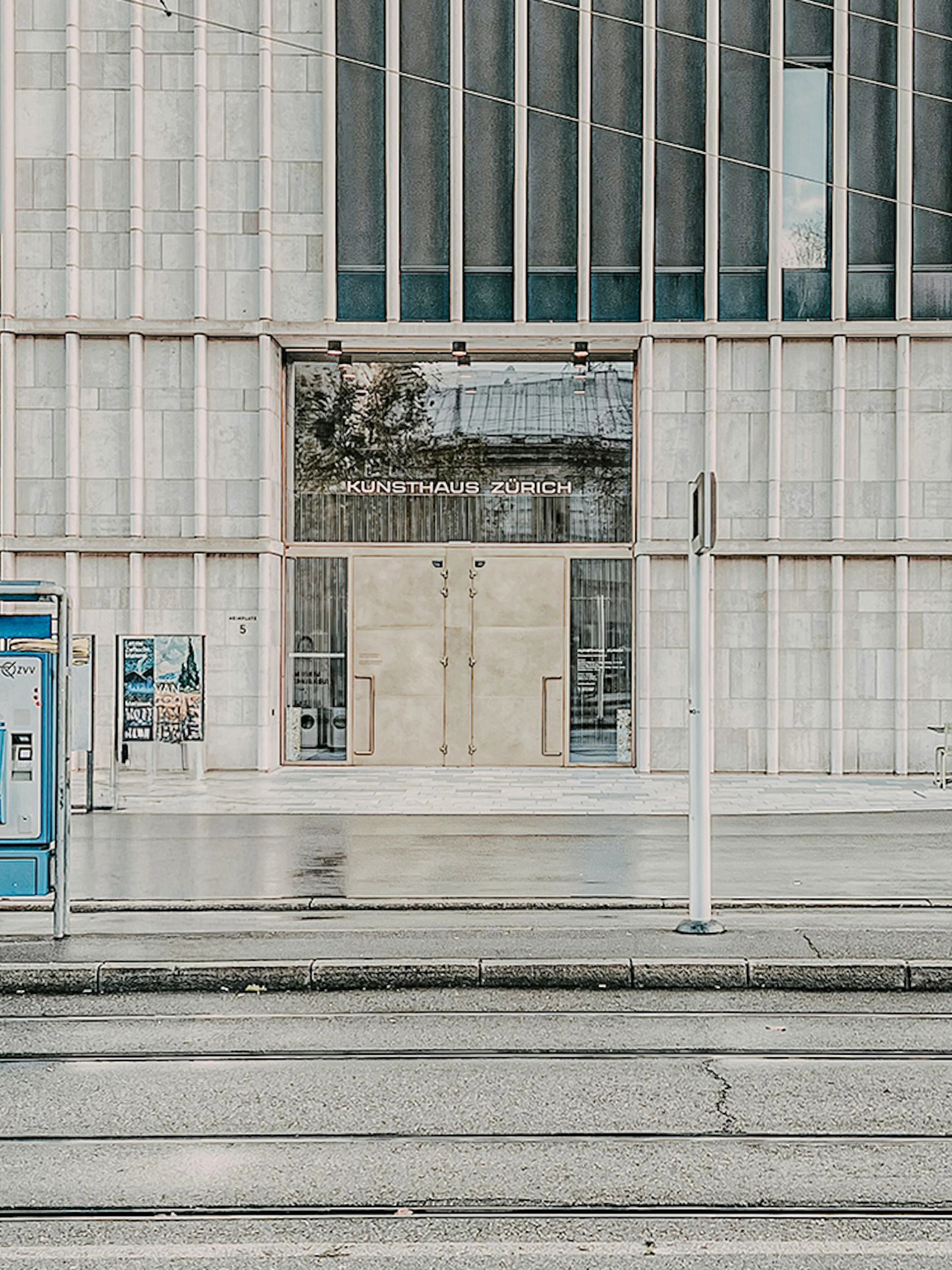
Step into Kunsthaus Zürich across two connected worlds, the historic Moser complex and David Chipperfield’s 2021 extension. An underground passage beneath Heimplatz links them, so the visit feels like one long sweep through 800 years of art.
Begin with older galleries
Begin in the older galleries with medieval works, Swiss painting, and Edvard Munch. Kunsthaus holds the largest group of Munch paintings outside Norway, offering more than one headline image and rewarding a slower visit.
Giacometti is the payoff
Then cross to the Chipperfield building for the museum’s defining payoff: Alberto Giacometti. The collection is the most important museum holding of his work, best appreciated with a 30 to 45 minute viewing.
From Monet to Rothko
Keep moving through the Merzbacher, Looser, and Bührle presentations for Monet, Van Gogh, Picasso, Chagall, Rothko, and postwar abstraction. The audio guide helps connect famous names with the museum’s collecting story.
End with Dada and digital
Before you leave, dip into the rotating Dada displays, home to the world’s largest collection of Dada-related objects. Then finish with either Pixelwald Turicum or Refik Anadol’s Glacier Dreams, each offering a distinct contemporary twist.
Add a headline exhibition
Before you finish, decide whether to branch into a major temporary exhibition, like the current Maria Lassnig and Edvard Munch, or Vilhelm Hammershøi. Choose an upgrade to add a headline show and gain broader museum context.
Things to know before booking your Kunsthaus Zürich tickets
Booking window
• Standard Kunsthaus Zürich admission is not built around premium timed entry. Booking ahead is mainly useful for faster ticket handling and because the collection audio guide is included with online tickets.
• Wednesdays change the decision completely. The permanent collection is free for everyone, so a paid ticket is mainly worth it if you want a separately ticketed special exhibition.
• Book an exhibition ticket when the current show is part of your plan. Both the Vilhelm Hammershøi and Maria Lassnig & Edvard Munch tickets already include the wider museum collection.
Entrances & flow
• Do not book this expecting skip-the-line access. There is no dedicated priority entrance, and online purchase mainly removes the ticket-desk step.
• The museum experience runs across the historic Moser complex and the Chipperfield extension. Visitors move between the two through an underground passage beneath Heimplatz.
• Large items do not enter the galleries. Bags, backpacks, umbrellas, and coats must go into lockers before you start.
What’s included
• The collection ticket covers the permanent collection across all museum buildings, small exhibitions, and an audio guide. It does not include major special exhibitions.
• The Maria Lassnig & Edvard Munch ticket includes that exhibition plus the permanent collection and exhibition galleries. You do not need a separate collection ticket on top.
• The Vilhelm Hammershøi ticket also includes the collection and small exhibitions. It additionally covers access to Glacier Dreams and Pixelwald Turicum.
Ways to explore
• Current ticket options are self-guided. That gives you full flexibility across both buildings, which matters because most first visits take around 3–4 hours.
• The audio guide is the simplest interpretation add-on. It is included with online tickets, while live guided tours are separate museum products and not part of these entry tickets.
• If you only have about 2 hours, book for highlights rather than total coverage. Collection-only usually makes more sense than paying for extra exhibition access you may not use.
Special access & upgrades
• Choose an exhibition ticket only when the current show is a real priority. The upgrade changes content access, not entry speed.
• Zürich Card holders should not buy a duplicate collection ticket. The card already covers collection entry, while designated exhibitions currently require an extra fee at the museum desk.
Policies
• Bring proof for any reduced or free category. The museum may request ID, student proof, age proof, or other eligibility documents at entry.
• Children under 14 enter free. Wheelchair users and one companion also receive free admission, and all exhibition levels are reached by accessible lifts.
• Swiss Travel Pass and Swiss Museum Pass are not accepted for Kunsthaus Zürich admission. If you already have a city pass, the Zürich Card is the relevant one here.
Explore Kunsthaus Zürich
The historic Moser complex is one half of the Kunsthaus Zürich visit and frames the museum’s older collection displays. It matters because many first-time visitors underestimate the campus size and stop too early, missing the second building and its very different strengths.
Access: Yes — included with collection and special exhibition tickets
The 2021 Chipperfield extension completes the museum across Heimplatz and holds the Giacometti presentation, the Bührle display, major private loans, and much of the post-1960 art. If you skip this wing, you miss a large share of what makes Kunsthaus Zürich distinctive.
The Garden of art is the museum’s outdoor campus space, useful for a break between galleries and for seeing the Moser-to-Chipperfield architecture relationship more clearly. It runs on separate outdoor hours, so you can visit it before or after the indoor museum route.
This temporary exhibition adds a focused route through Hammershøi’s interiors, portraits, and cityscapes in subdued light. It changes the booking decision because a collection-only ticket does not cover it, while the exhibition ticket also includes the permanent collection and small exhibitions.
Access: No — requires the Vilhelm Hammershøi exhibition ticket
Policy note: Scheduled through October 25, 2026
From October 2, 2026, this headline exhibition pairs two major painters in a separately ticketed show. Choose it if this is your priority, since standard collection access does not include it, but the exhibition ticket does include the wider museum collection across both buildings.
Galleries at Kunsthaus Zürich
Must-see artworks at Kunsthaus Zürich
1/10
The Chariot
Alberto Giacometti (1950)
Location: Chipperfield Building, 2nd Floor, Giacometti Collection
One of Giacometti’s defining sculptures, it turns a fragile figure and wheeled base into a study of distance and presence.
Pro tip: Circle it slowly; the figure changes dramatically from every side.
Ashes
Edvard Munch (1894)
Location: Moser Building, Munch galleries
One of Munch’s most charged relationship scenes, it turns heartbreak into landscape drama.
Pro tip: Start a few steps back, then move closer to the figures.
Pixelwald Turicum
Pipilotti Rist (2021)
Location: Chipperfield Building, 1st Floor, Merzbacher Collection
Pipilotti Rist turns hanging LEDs into a walk-through color field.
Pro tip: Stand still first, then walk through once the color cycle changes.
The Sower
Vincent van Gogh (1888)
Location: Chipperfield Building, Bührle Collection
Van Gogh reworks a biblical laborer into a blazing field of color.
Pro tip: View from mid-distance to balance the figure and huge sun.
Chestnut Tree in Blossom
Vincent van Gogh (1890)
Location: Chipperfield Building, Bührle Collection
Painted near the end of Van Gogh’s life, this close-up trades grand scenery for intense looking.
Pro tip: Move close enough to see the dark outlines around each blossom.
Boy in a Red Waistcoat
Paul Cézanne (1888–90)
Location: Chipperfield Building, Bührle Collection
Cézanne turns a seated youth into a balance of angled limbs and quiet tension.
Pro tip: Stand centered to feel the painting’s tilted balance.
Portrait of Irène Cahen d’Anvers (Little Irène)
Pierre-Auguste Renoir (1880)
Location: Chipperfield Building, Bührle Collection
Renoir gives childhood portraiture unusual stillness and polish.
Pro tip: Look from slightly below eye level to meet her gaze.
Poppy Field near Vétheuil
Claude Monet (1879)
Location: Chipperfield Building, Bührle Collection
Monet turns a summer field into moving light rather than fixed detail.
Pro tip: Step back until the red flowers read as rhythm, not dots.
The Sultana
Édouard Manet (c.1871)
Location: Chipperfield Building, Bührle Collection
Manet flattens figure and background just enough to keep the pose unstable.
Pro tip: Shift side to side to catch changes in the dark background.
The Hammock
Paul Gauguin (1891)
Location: Chipperfield Building, Bührle Collection
Gauguin simplifies forms and intensifies color to create stillness with tension underneath.
Pro tip: Give your eyes a moment; the composition quiets as you linger.
Plan your visit to Kunsthaus Zürich
• Opening hours: Tuesday–Wednesday and Friday–Sunday, the museum is open from 10am–6pm.
• Thursday hours: On Thursdays, the museum stays open until 8pm.
• Closed days: The museum is closed on Mondays.
• Gallery closing: Collection and exhibition galleries close about 10 minutes before the museum closes.
• Holiday hours: Most public holidays follow 10am–6pm hours; December 24 and December 31 close at 4pm.
• Garden of Art: The Garden of Art is open daily from 6am–9:30pm, except December 25 and January 1.
• Lockers: Lockers are available in both buildings for coats, umbrellas, backpacks, and larger bags.
• Gallery bags: Only small handbags up to roughly A4 size may enter galleries.
• Restrooms: Restrooms, including accessible toilets, are available in both main buildings.
• Wi-Fi: Free Wi-Fi is available during your visit.
• Audio guides: Collection audio guides are available in German, English, and French.
• Children’s guide: A children’s audio guide is available free of charge.
• Dining: Kunsthaus Bar and the Miro Garden café offer on-site food and drink breaks.
• Shop: The Art & Design Shop offers museum and design-focused items.
• Approach: Step-free access is available throughout the museum complex.
• Inside: Wheelchair users can reach all collection and exhibition levels by accessible lifts.
• Restrooms: Accessible restrooms are available in both main buildings.
• Support aids: Wheelchairs and folding seats can be borrowed, but wheelchairs are limited.
• Advance planning: Advance reservation is recommended if you need a museum wheelchair.
• Service animals: Assistance dogs are permitted in collection and exhibition galleries.
• Lift limits: Lift controls have tactile markings, but not Braille labels or audible floor announcements.
• Route note: The walk from Zürich Stadelhofen includes a mild uphill section.
- Vilhelm Hammershøi: The Eye That Listens — Runs from July 3, 2026 to October 25, 2026. It requires a separate exhibition ticket.
- Maria Lassnig and Edvard Munch — Runs from October 2, 2026 to February 21, 2027. It requires a separate exhibition ticket.
- Glacier Dreams: This digital environment runs through January 2027. It is included with collection admission.
• Photography: Personal photography is allowed, unless a gallery sign says otherwise.
• Equipment: Flash, tripods, and selfie sticks are not allowed in galleries.
• Bag policy: Bags, rucksacks, umbrellas, and coats must be stored in lockers.
• Small items: Only small handbags up to roughly A4 size may enter galleries.
• Food and drinks: Food and beverages, including baby food and milk bottles, are not allowed in galleries.
• Behaviour: Please keep phones quiet and follow gallery signs and staff instructions.
• Admission proof: Carry a valid ticket and any required concession ID during your visit.
Visitor tips & guidelines
Don’t start with Pixelwald Turicum in the Chipperfield building; linger there later, when foot traffic drops and the 15-minute loop reads clearly.
In the Giacometti galleries on the Chipperfield 2nd floor, circle The Chariot once; side angles separate the figure from background traffic.
See Pixelwald Turicum before 12 noon or late afternoon; fewer moving bodies interrupt the light sequence and sightlines.
Use the underground passage beneath Heimplatz to switch buildings mid-visit; it avoids street crossings and preserves momentum between collection zones.
Pause in the Chipperfield central hall before the Bührle Collection; the open volume resets your eyes after dense wall-to-wall viewing.
Visit the Dada displays after Giacometti, not first; rotating works on paper reward slower reading once the headline galleries thin.
Stand near the rear wall of Glacier Dreams for one full cycle; the wider field makes the data shifts easier to track.
Finish in the Garden of Art after Glacier Dreams; natural light helps recalibrate after the darker digital room.
Frequently asked questions about Kunsthaus Zürich tickets
Choose the standard collection ticket if your priority is Kunsthaus Zürich’s core holdings across both buildings. Choose a special-exhibition ticket only when a current paid show matters, because that ticket already includes the collection and small exhibitions.
Yes, the permanent collection is free for everyone on Wednesdays. Paid special exhibitions are not automatically included, so you only need a paid ticket that day if you want exhibition access beyond the free collection.
Yes, both current special-exhibition tickets include access to the wider Kunsthaus Zürich collection as well. You do not need to buy a separate standard collection ticket unless you are visiting only for the permanent displays.
Usually, advance booking is most useful for paid special exhibitions and for visitors who want the included online collection audio guide. The museum does not publish regular sell-out patterns for standard admission, and Wednesday collection entry is free.
No. These tickets are not sold as skip-the-line or premium timed entry. Buying online mainly avoids buying at the desk and includes the collection audio guide; normal entry checks and any date details on your ticket still apply.
Re-entry is not automatically included in the provided ticket rules. Your ticket is valid for one day, but same-day exit-and-return rights are not confirmed, so plan to complete your visit in one go.
The provided ticket details do not publish a last-entry cutoff, but galleries close about 10 minutes before the museum. For quieter visits, Tuesday, Thursday morning, and Friday morning are generally better than Wednesdays or Sundays; Thursday stays open until 8pm.
Yes, the standard collection ticket covers the core highlights across both buildings, including Giacometti, major Munch holdings, Impressionist works, Dada displays, and changing small exhibitions. You only need an upgrade for separately ticketed special exhibitions.
No. A standard collection ticket excludes paid special exhibitions such as Vilhelm Hammershøi and Maria Lassnig & Edvard Munch. Choose the relevant special-exhibition ticket if that show matters, because it already includes the main collection.
Yes, collection-based admission covers the museum across its connected historic and Chipperfield buildings. That matters because key areas are split between them, including Giacometti, Impressionism, contemporary installations, and the world’s largest Dada collection.
Usually, the audio guide suits independent visits best, while guided tours help if you want deeper context and a fixed route through a very large museum. At Kunsthaus, guided tours are separate and not included with standard admission.
Yes for the Zürich Card, which covers collection admission. The museum does not accept entry for Swiss Travel Pass and Swiss Museum Pass holders. Special exhibitions still need an extra payment with the Zürich Card.
Yes. The museum is step-free, lifts reach all gallery levels, and wheelchair users plus one companion enter free. Children under 14 also enter free; a family highlights visit works well in about 1.5–2 hours, but stroller rules are not stated.
None of the tickets at present offer free cancelation.